
Buying a car is often one of the most significant financial milestones in an adult’s life. It represents freedom, convenience, and status. However, for millions of people, the dream of driving off the lot in a new or used vehicle feels just out of reach due to two major hurdles: a damaged credit history and a lack of immediate cash for a down payment. Traditionally, these two factors combined would signal a “no” from almost every dealership on the lot. But the automotive finance landscape has evolved significantly over the last decade. Today, it is entirely possible to secure financing through dealerships even if your credit score is less than perfect and you have zero dollars to put down upfront. This guide breaks down exactly how this process works, what to expect, the potential pitfalls, and strategies to maximize your chances of approval while protecting yourself from predatory lending practices.
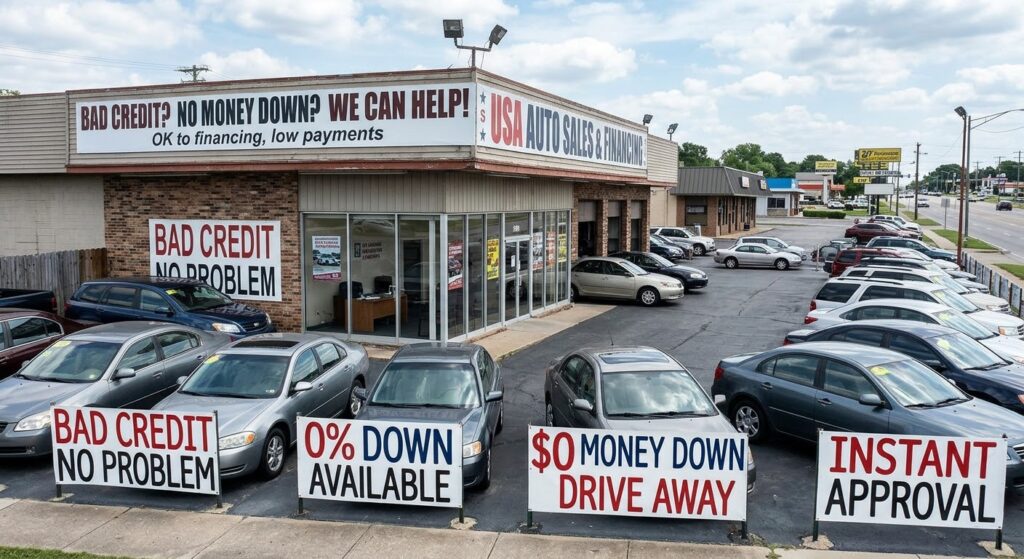
Understanding the Landscape: Why “No Money Down” and “Bad Credit” Are Not Always a Dead End
To navigate this process successfully, you first need to understand why dealerships are willing to take on riskier borrowers. Unlike direct lenders like banks or credit unions, which often have strict, automated underwriting guidelines, dealerships work with a vast network of “subprime” and “near-prime” lenders. These specialty finance companies exist specifically to lend to people who have been rejected by traditional institutions. They look at different factors than a bank might. While a bank might reject you because your credit score is 580, a subprime lender might look at your current employment stability, your debt-to-income ratio, and your ability to make the monthly payments.
The concept of “no money down” does not mean the car is free. It means you do not have to provide a lump sum of cash at the time of signing the contract. Instead, the cost of the vehicle is financed into the loan itself. However, there is a catch: no money down usually results in higher monthly payments and a higher total interest cost over the life of the loan. Because you are putting less equity into the vehicle immediately, the lender faces more risk. If you default in the first few months, the car could be repossessed before you have built up any ownership stake. Therefore, dealerships and their lending partners will scrutinize your income and employment history more closely than they would for a borrower with a large down payment.
Step-by-Step: How to Approach a Dealership with Bad Credit
1. Know Your Numbers Before You Walk In
Dealerships love buyers who are uninformed because they can manipulate the conversation. If you have bad credit, information is your greatest weapon. Before you visit a dealership, pull your credit report. You are entitled to a free credit report annually from each of the three major bureaus (Equifax, Experian, and TransUnion). Review it for errors. If there are incorrect late payments or accounts that don’t belong to you, dispute them immediately. Even fixing small errors can boost your score enough to move you into a better lending tier.
Next, calculate what you can afford for a monthly payment. With bad credit, your interest rate will likely be high—possibly double-digit percentages. Use an online auto loan calculator to see how much car you can get for a specific monthly payment amount. Be realistic. If you stretch yourself too thin, one unexpected expense could lead to default and repossession. Remember, with no money down, you aren’t just paying for the car; you are also paying for taxes, title, and registration fees, which are often rolled into the loan. Ensure your budget accounts for these additional costs so you aren’t hit with a surprise bill later.
2. Choose the Right Type of Dealership
Not all dealerships are created equal when it comes to bad credit. Large franchise dealerships (like Ford, Toyota, or Honda dealers) often have access to multiple tiers of funding, including their own captive finance arms. These can sometimes offer promotional rates even for lower credit scores, though this is less common now. However, specialized “Buy Here Pay Here” (BHPH) dealerships are another option. These dealerships sell cars and finance them directly in-house. They are very lenient with credit checks but typically charge higher interest rates and require weekly or bi-weekly payments. For traditional dealerships, focus on those that advertise “bad credit experts” or “second chance financing.” These dealers have relationships with subprime lenders who are accustomed to working with distressed credit profiles.
3. Prepare Your Documentation
When you have bad credit, your application file needs to tell a story of stability. Lenders want to see that you are currently reliable, even if you were unreliable in the past. Gather the following documents before you go:
- Proof of Income: Recent pay stubs (usually last 30 days), W-2 forms, or tax returns if you are self-employed.
- Proof of Residence: A utility bill or lease agreement showing your current address.
- Proof of Identity: Driver’s license and Social Security card.
- Proof of Insurance: You will need to show proof of insurance before you can drive the car off the lot. Have quotes ready or know exactly what coverage level you need.
- References: Some subprime lenders may ask for personal references. Have contact information for two people who can vouch for your character and reliability.
Having these documents organized shows the dealer that you are serious and prepared, which can give them confidence to push your application through to the lender.
4. Negotiate the Price First, Then the Payment
This is a critical strategy for bad credit buyers. Many dealers will focus on “monthly payments” to hide the total cost of the car. They might extend the loan term to five or six years to make the payment seem low, but you end up paying tens of thousands of dollars extra in interest. Always negotiate the price of the car first. Agree on a fair market value for the vehicle. Once the price is set, then discuss the financing terms. Ask for the APR (Annual Percentage Rate) and the total number of payments. Calculate the total cost of the loan: Monthly Payment x Number of Payments + Fees = Total Cost. Compare this to the car’s value. If the total cost is significantly higher than the car’s worth, you might be getting a bad deal, regardless of how manageable the monthly payment seems.
The Pros and Cons of No Money Down Financing
Advantages
- Immediate Transportation: You don’t need to wait until you save up $1,000 or $2,000 for a down payment. You can drive away in a reliable car immediately.
- Preserves Cash Flow: Keeping your cash reserves intact allows you to handle emergencies, medical bills, or other expenses without dipping into your savings.
- Credit Building: If you make your payments on time, you can actively improve your credit score. Many subprime lenders report to all three credit bureaus, giving you a chance to rebuild your financial reputation quickly.
- Accessibility: It opens the door for people who are currently unemployed or between jobs but have a job lined up, as long as they can provide proof of upcoming income.
Disadvantages
- Higher Interest Rates: Subprime loans come with higher interest rates. You will pay more in interest over the life of the loan compared to someone with excellent credit.
- Higher Monthly Payments: Since you aren’t reducing the principal balance with a down payment, your monthly payments will be higher. This puts more strain on your monthly budget.
- Negative Equity Risk: You are likely to be “upside down” on your loan, meaning you owe more than the car is worth. If you total the car or decide to sell it early, you may still owe money to the lender after the car is sold.
- Strict Repossession Terms: Lenders are quick to repossess cars with no equity. If you miss a payment, they can take the car back, and you will still owe the remaining balance plus repossession fees.
Strategies to Increase Your Approval Chances
Add a Co-Signer
If your credit is particularly poor, adding a co-signer with good credit can dramatically increase your chances of approval and potentially lower your interest rate. The co-signer is equally responsible for the loan. If you miss a payment, they must pay it. This reduces the lender’s risk. However, choose your co-signer wisely. Make sure they trust your ability to pay, as their credit score is now tied to your performance.
Consider a Longer Loan Term
Extending your loan term from the standard 60 months to 72 or even 84 months can lower your monthly payment, making it more affordable. However, this increases the total interest paid. As mentioned earlier, be aware of the “payment packager” effect where dealers extend terms to fit a certain payment amount, often resulting in you owing more than the car is worth for several years.
Buy a Reliable, Used Car
New cars depreciate rapidly. For a bad credit buyer, buying a slightly older, reliable used car is often a smarter financial move. Cars from brands known for reliability (like Toyota, Honda, or Hyundai) hold their value better and are cheaper to repair. Avoid luxury vehicles or models with known issues. A used car also means a lower purchase price, which translates to a smaller loan amount and lower risk for the lender.
Shop Around Within the Dealership
Don’t accept the first offer. Ask the finance manager to send your application to multiple lenders. Different lenders have different criteria. One might prioritize your income over your credit score, while another might focus on your employment history. Having multiple offers gives you leverage to choose the best rate and terms.
Common Pitfalls to Avoid
Rolling Too Much Into the Loan
Dealers may offer to roll the sales tax, title, registration, and even extended warranties into the loan. While this keeps your initial cash outlay at zero, it increases your loan balance. If the car’s value drops below the loan balance (negative equity), you are in a precarious position. Try to keep additional costs separate if possible, or ensure they are minimal.
Skipping the Inspection
Even if you are in a hurry to get approved, always inspect the car. Check for mechanical issues, tire wear, and brake condition. If you buy a car that needs immediate repairs, you’ll have to pay for them while still making loan payments. Consider having a trusted mechanic do a pre-purchase inspection, especially if you are buying from a smaller dealership.
Ignoring the Fine Print
Read every word of the contract. Look for clauses about balloon payments (a large lump sum due at the end of the loan), mandatory arbitration, or restrictions on refinancing. Some contracts include “gap insurance” automatically, which is good, but others might add unnecessary fees. Understand exactly what you are agreeing to before you sign.
The Role of Technology in Modern Bad Credit Auto Buying
Technology has made it easier than ever to find deals for bad credit buyers. Online platforms now allow you to check your credit score for free, get pre-approved for a loan from various lenders, and compare prices across dealerships. Services like Carvana, Vroom, and Shift offer online purchasing options with transparent pricing, which can reduce the pressure and negotiation stress associated with traditional dealerships. Additionally, apps like Acorns or Digit help users save small amounts of money consistently, which can eventually be used for a down payment if you decide to refinance later.
Mobile apps also provide real-time access to your credit score, allowing you to monitor improvements. Some lenders now use alternative data points, such as your rent payment history or utility bills, to assess creditworthiness. This means that even if your traditional credit score is low, a consistent history of paying bills on time can work in your favor.
Conclusion
Buying a car from a dealership with bad credit and no money down is certainly possible, but it requires careful planning, discipline, and knowledge. The key is to understand that you are taking on a higher-cost loan to gain immediate access to transportation. By preparing your documents, negotiating the price first, choosing the right dealership, and avoiding common pitfalls, you can secure a fair deal that helps rather than hinders your financial health. Remember, the goal isn’t just to get approved; it’s to get a car that fits your budget and helps you rebuild your credit. With patience and diligence, you can drive off the lot with confidence, knowing you’ve made a smart financial decision despite your credit challenges.
Disclaimer: The information provided in this article is for educational purposes only and does not constitute financial, legal, or professional advice. Auto financing terms, interest rates, and lending criteria can vary significantly based on location, lender policies, and individual circumstances. Readers should consult with a qualified financial advisor or credit counselor before making significant financial decisions. Interest rates and loan terms mentioned are illustrative and subject to change. Always read and understand the full terms and conditions of any loan agreement before signing.