
Buying a car is often one of the biggest financial decisions a person makes, but for many, the upfront cost of a down payment is the biggest hurdle. The concept of a “no money down” car loan has gained significant traction in recent years, offering an accessible path to vehicle ownership for those with limited savings or imperfect credit histories. But is it truly as easy as it sounds? Here is a comprehensive guide on how no money down financing works, who qualifies, and what you need to watch out for.
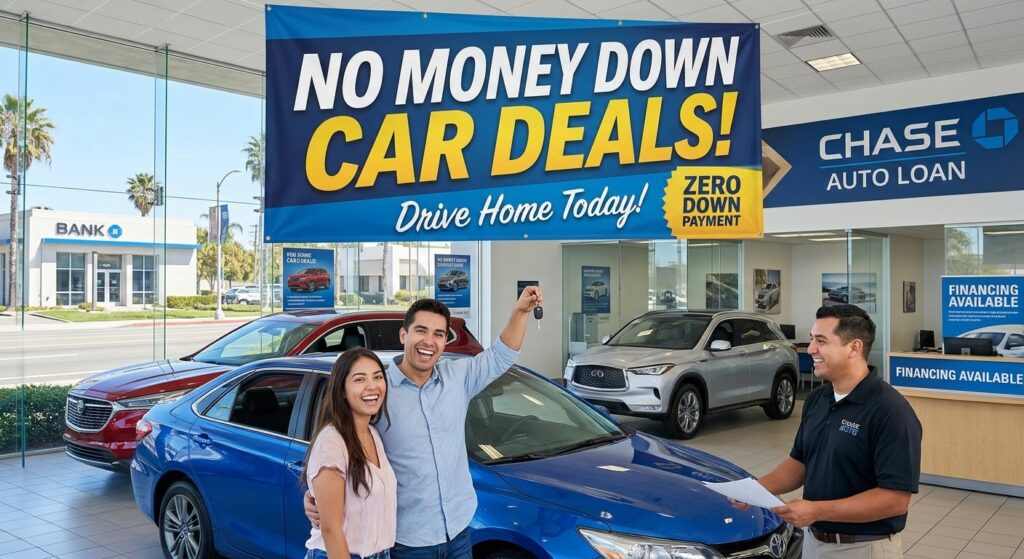
What Does “No Money Down” Actually Mean?
“No money down” means that when you sign the contract to purchase a vehicle, you do not have to pay any cash upfront at the dealership. You are essentially borrowing 100% of the vehicle’s price (plus taxes, title, and registration fees) from the lender.
It is important to distinguish between “no money down” and “zero dollars out of pocket.”
- No Money Down: You pay $0 toward the principal balance of the loan. However, you will still likely need to pay sales tax, title fees, and registration costs before driving off the lot.
- Zero Out-of-Pocket: This implies you pay nothing at all, which is rare because government fees are almost always due at signing.
Who Qualifies for No Money Down Financing?
Lenders offer these loans to two main groups:
- Subprime Borrowers: Individuals with low credit scores (often below 620). Traditional banks might reject them, but specialized finance companies and some dealerships are willing to take the risk in exchange for higher interest rates.
- New-to-Country or Thin-File Customers: People who are new to the U.S. credit system may not have a long history to prove their reliability. Lenders may waive the down payment requirement if other income verification is strong.
The Pros and Cons
Advantages
- Immediate Access: You can drive a car home today without draining your savings account.
- Preserves Cash Flow: If you have an emergency fund or other investments, keeping your cash liquid is often smarter than tying it up in a depreciating asset.
- Opportunity to Build Credit: Making timely payments on a high-interest loan can help rebuild your credit score over time.
Disadvantages
- Higher Monthly Payments: Since you are financing more of the car’s value, your monthly bills will be significantly higher than if you had put 10–20% down.
- Negative Equity Risk: Cars depreciate quickly. If you buy a used car for $15,000 with no down payment, its value might drop to $12,000 within six months. If you crash the car or want to sell it, you could owe more than it’s worth (“upside-down” loan).
- Higher Interest Rates: Lenders charge higher APRs to offset the risk of lending to borrowers with less skin in the game.
- Stricter Loan Terms: You might be forced into longer loan terms (72–84 months) to keep monthly payments affordable, which means paying more interest over the life of the loan.
How to Get a No Money Down Car Loan
- Check Your Credit Report: Know where you stand. Errors can hurt your approval chances. Dispute any inaccuracies before applying.
- Get Pre-Approved: Contact online lenders or credit unions first. A pre-approval gives you leverage at the dealership because you know your maximum rate.
- Shop Smart at Dealerships: Many dealerships work with “buy here, pay here” lots or subprime lenders. Be clear that you want no money down but ask about the total cost, including fees.
- Consider Gap Insurance: If you put no money down, you are immediately underwater on the loan. GAP (Guaranteed Asset Protection) insurance covers the difference if the car is totaled. Many lenders require this for no-money-down loans.
- Negotiate the Price First: Even if you aren’t putting money down, negotiate the car’s price. A lower sale price means a smaller loan amount and lower monthly payments.
Tips for Success
- Keep Payments Affordable: Don’t stretch yourself too thin. Aim for a payment that is no more than 10–15% of your monthly take-home pay.
- Pay Early: If possible, make bi-weekly payments instead of monthly ones to reduce the total interest paid.
- Refinance Later: Once your credit score improves, refinance the loan to a lower interest rate to save money.
Conclusion
A no money down car is a viable option for those who need reliable transportation but lack immediate cash. While it comes with higher costs in the long run due to interest and depreciation, it provides flexibility and access to vehicle ownership. The key is to shop around, understand the true cost of the loan, and ensure the monthly payments fit comfortably within your budget.
Disclaimer: This article is for informational purposes only and does not constitute financial, legal, or tax advice. Lending criteria, interest rates, and fees vary by lender, state, and individual creditworthiness. “No money down” offers may still require payment of taxes, title, registration, and dealer fees. Always read the fine print in your loan agreement and consult with a qualified financial advisor or attorney before making major financial decisions.