
Buying a car is an exciting experience, but figuring out how to pay for it can sometimes feel overwhelming. Whether you are planning to purchase a brand-new vehicle or a used car, understanding your financing options can help you make a smarter decision. One of the most effective ways to prepare for your purchase is to get preapproved for a car loan before visiting a dealership.
Car loan preapproval helps you understand how much money a lender may be willing to offer, what interest rate you might qualify for, and how much you can realistically afford to spend. With this information in hand, you can shop for a vehicle with greater confidence and avoid committing to a payment that stretches your budget.
In this guide, you will learn how car loan preapproval works, what documents you need, how to improve your chances of approval, and what mistakes to avoid during the process.
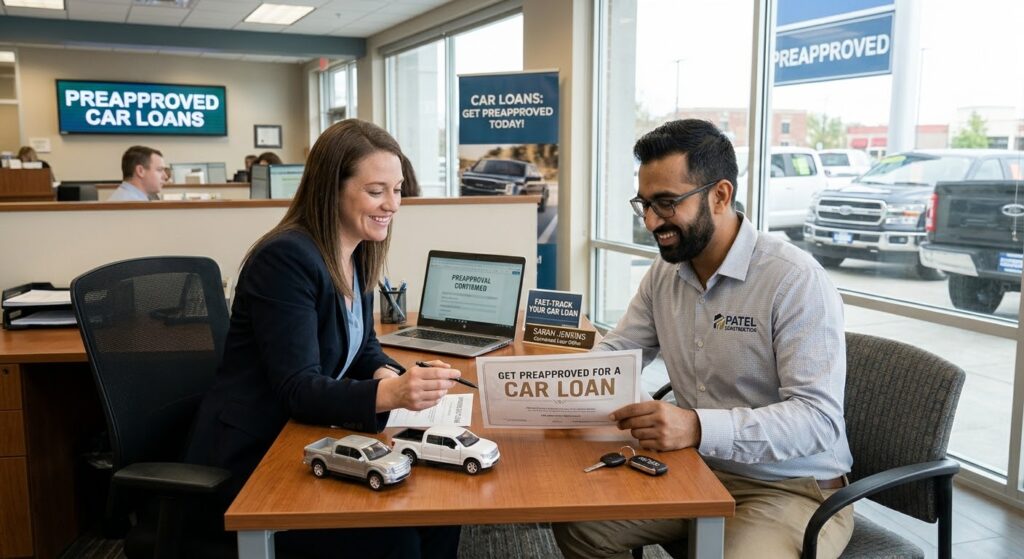
What Does It Mean to Get Preapproved for a Car Loan?
Getting preapproved for a car loan means submitting a financing application to a bank, credit union, or online lender so they can evaluate your financial situation. Based on the information you provide, the lender may offer a preliminary loan amount, estimated interest rate, and potential repayment terms.
Preapproval gives you a clearer idea of your buying power before you select a vehicle. For example, if a lender preapproves you for a specific amount, you can focus on cars within that general price range instead of guessing what you can afford.
However, preapproval is not always a final loan approval. The lender may still need to verify your income, review the vehicle details, and complete additional checks before funding the loan. The final terms may also change depending on the lender’s conditions and the vehicle you choose.
Why Should You Get Preapproved Before Buying a Car?
There are several reasons to consider car loan preapproval before beginning your vehicle search.
- Understand Your Budget
Preapproval can help you estimate your available financing and plan your purchase more effectively. You can compare vehicles based on your budget rather than focusing only on their appearance or features.
Remember that your budget should include more than the monthly loan payment. Insurance, fuel, maintenance, registration, taxes, and other ownership expenses can increase the total cost of a vehicle.
- Compare Interest Rates
Different lenders may offer different interest rates and loan conditions. Applying with multiple lenders can help you compare available options and identify a loan that fits your financial needs.
Look beyond the advertised rate. Compare the annual percentage rate (APR), loan term, fees, total interest, and overall repayment amount before making a decision.
- Negotiate With Greater Confidence
When you already understand your financing options, you can approach a dealership with a clearer idea of your budget. This may help you separate the vehicle’s purchase price from the financing discussion.
You should still compare the dealer’s financing offer with your preapproved offer. A dealership may occasionally provide competitive financing that is worth considering.
- Save Time at the Dealership
Completing part of the financing process in advance may reduce the amount of paperwork you need to handle at the dealership. Although additional verification may still be required, you can spend more time evaluating the vehicle and negotiating the price.
How to Get Preapproved for a Car Loan
The process is usually straightforward, but preparing in advance can make it easier.
Step 1: Check Your Credit Score
Your credit history can influence whether a lender approves your application and what interest rate it offers. Before applying, review your credit report for inaccurate information, outstanding balances, and other issues that may affect your application.
If you find an error, follow the relevant credit bureau’s process to dispute it. Paying bills on time and reducing high credit card balances may also help strengthen your credit profile over time.
You do not necessarily need perfect credit to apply for an auto loan. Some lenders work with borrowers who have limited or less-than-perfect credit, although eligibility requirements and borrowing costs vary.
Step 2: Calculate How Much You Can Afford
Before contacting lenders, decide how much you can comfortably spend on a vehicle.
Start by reviewing your monthly income, essential expenses, existing debt payments, and savings. Then estimate your potential car payment and additional ownership costs.
A longer loan term may reduce the monthly payment, but it can increase the total interest paid over the life of the loan. Choose a repayment period that balances affordability with the overall cost of borrowing.
Step 3: Gather the Required Documents
Lenders typically request information to verify your identity, income, and financial circumstances. Depending on the lender, you may need:
- Government-issued identification.
- Proof of income, such as recent pay stubs or tax documents.
- Employment information.
- Proof of residence.
- Details about existing debts and monthly expenses.
- Your Social Security number, if applicable in your country.
- Information about your down payment.
Requirements differ between lenders and countries, so check the application instructions before submitting your information.
Step 4: Research Banks, Credit Unions, and Online Lenders
You do not have to accept the first financing offer you receive. Compare several lenders to see which options are available to you.
Banks may offer auto loans to existing and new customers. Credit unions can provide competitive rates to eligible members. Online lenders may offer convenient application processes and quick preliminary decisions.
When comparing lenders, consider their eligibility requirements, APR, repayment terms, fees, down payment requirements, and prepayment policies.
Step 5: Submit a Preapproval Application
Once you have identified suitable lenders, complete their application forms. You will generally provide personal information, income details, employment history, housing costs, and the amount you want to borrow.
Some lenders offer prequalification based on limited information, while preapproval may involve a more detailed review. Ask whether the lender will perform a soft or hard credit inquiry before proceeding.
A soft inquiry generally does not affect your credit score. A hard inquiry can affect your score, so understand the lender’s process before applying.
Step 6: Review Your Preapproval Offer
If a lender approves your preliminary application, review the offer carefully. Important details may include:
- The approved or estimated borrowing amount.
- The quoted interest rate or APR.
- The available repayment term.
- The expiration date of the offer.
- Any conditions that must be satisfied.
- Restrictions on vehicle age, mileage, or type.
Do not assume that the maximum amount offered is the amount you should borrow. Select a loan based on what you can comfortably repay.
Step 7: Shop for Your Vehicle
With your financing information available, you can begin comparing vehicles that meet your needs and budget.
Research the market value of your preferred models, compare dealership prices, and check the vehicle’s history if you are buying used. You should also consider insurance costs, fuel efficiency, maintenance expenses, and expected resale value.
After selecting a vehicle, the lender may need its identification number, purchase price, mileage, or other details before finalizing the loan.
Step 8: Complete the Final Loan Approval
The final stage may involve verifying your documents, confirming the vehicle’s eligibility, and signing the loan agreement. Review the final APR, monthly payment, loan term, fees, and total repayment amount before signing.
Only proceed when the terms are clear and the payment fits your budget.
Can You Get Preapproved for a Car Loan With Bad Credit?
Yes, it may be possible to get preapproved for a car loan with bad credit, but your options may be more limited. Some lenders specialize in helping borrowers with lower credit scores or limited credit histories.
However, these loans may come with higher interest rates, larger down payment requirements, or stricter conditions.
To improve your chances, consider reducing outstanding debt, correcting credit report errors, providing accurate income information, and saving for a larger down payment. A qualified co-signer may also help in some cases, but that person generally becomes legally responsible for the debt if you fail to repay it.
Avoid accepting an expensive loan simply because a lender offers approval. Compare the total borrowing cost and make sure the monthly payment remains manageable.
Does Car Loan Preapproval Affect Your Credit Score?
The effect depends on the lender’s application process.
A preliminary rate estimate based on a soft credit inquiry generally does not affect your credit score. A formal preapproval application may require a hard inquiry, which can cause a small, temporary decrease in your score.
When shopping for an auto loan, multiple hard inquiries made within a relatively short rate-shopping period may be treated as a single inquiry by certain credit-scoring models. The applicable period depends on the scoring model, so it is sensible to complete your comparisons within a focused timeframe.
Before submitting an application, ask the lender whether it uses a soft inquiry or a hard inquiry and whether the application creates a formal credit request.
How Long Does Car Loan Preapproval Take?
The timeline varies by lender and by the complexity of your application. Some lenders provide preliminary decisions within minutes, while others may need several business days to review documents and verify your information.
The process can take longer if your income is difficult to verify, your application contains inconsistent information, or the lender requests additional documents.
You should also check how long the preapproval remains valid. If you do not purchase a vehicle before it expires, you may need to apply again or update your information.
Common Mistakes to Avoid When Getting Preapproved
Even a seemingly attractive loan offer can become expensive if you overlook important details.
Focusing only on the monthly payment: A low payment may result from a longer repayment term, which can increase the total interest paid.
Applying without comparing lenders: Different lenders assess applications differently and may offer different rates and conditions.
Ignoring additional vehicle costs: Insurance, maintenance, registration, taxes, and fuel should be included in your budget.
Assuming preapproval guarantees funding: Final approval may depend on document verification and the vehicle you choose.
Borrowing the maximum amount available: A lender’s maximum offer does not necessarily reflect your personal budget.
Submitting inaccurate information: Incorrect income, employment, or debt details can delay the process or jeopardize approval.
Ignoring loan fees and conditions: Review origination fees, late-payment charges, prepayment terms, and other applicable conditions before signing.
Frequently Asked Questions
Is it better to get preapproved for a car loan before going to a dealership?
Generally, yes. Preapproval can help you understand your financing options before negotiating a vehicle purchase. However, compare the preapproved offer with any competitive financing the dealership may provide.
Can I get preapproved for a car loan without knowing which car I want?
Yes. Many lenders allow you to seek preapproval before selecting a specific vehicle. They may provide an estimated borrowing amount, subject to vehicle eligibility and final loan conditions.
Does getting preapproved mean I have to accept the loan?
Not necessarily. A preapproval generally does not obligate you to accept the loan, but you should review the lender’s terms and any applicable fees or commitments before proceeding.
Can I get preapproved for a used car?
Yes. Many lenders offer financing for used vehicles. However, some impose restrictions based on the vehicle’s age, mileage, condition, or purchase source.
How many lenders should I compare?
There is no fixed number, but comparing offers from several suitable lenders can help you understand the available rates and terms. Ask about credit inquiries before submitting multiple formal applications.
Final Thoughts
Choosing to get preapproved for a car loan can make the car-buying process more organized and predictable. It helps you estimate your financing options, compare lenders, establish a realistic budget, and prepare for negotiations before choosing a vehicle.
Start by checking your credit, calculating your affordable payment, and gathering the necessary documents. Then compare lenders based on APR, total repayment cost, fees, and loan conditions rather than focusing exclusively on the monthly payment.
Most importantly, remember that preapproval is a starting point, not a guarantee of final financing. Review the final agreement carefully and choose a vehicle and loan that support your long-term financial goals.