
Buying a car is often one of the largest financial decisions an individual makes in their lifetime. For many, the traditional path involves saving up a significant sum for a down payment before even stepping onto a dealership lot. However, life doesn’t always wait for savings to accumulate. Whether you have an unexpected job opportunity, need a reliable vehicle for a new commute immediately, or simply prefer to keep your cash reserves liquid for other investments, a car loan with no down payment (often referred to as a “zero-down” auto loan) presents a compelling alternative.
This comprehensive guide explores the mechanics, pros, cons, and strategic considerations of financing a vehicle with zero money down. It is designed to help you make an informed decision, ensuring that while you get behind the wheel today, you aren’t buried under debt tomorrow.
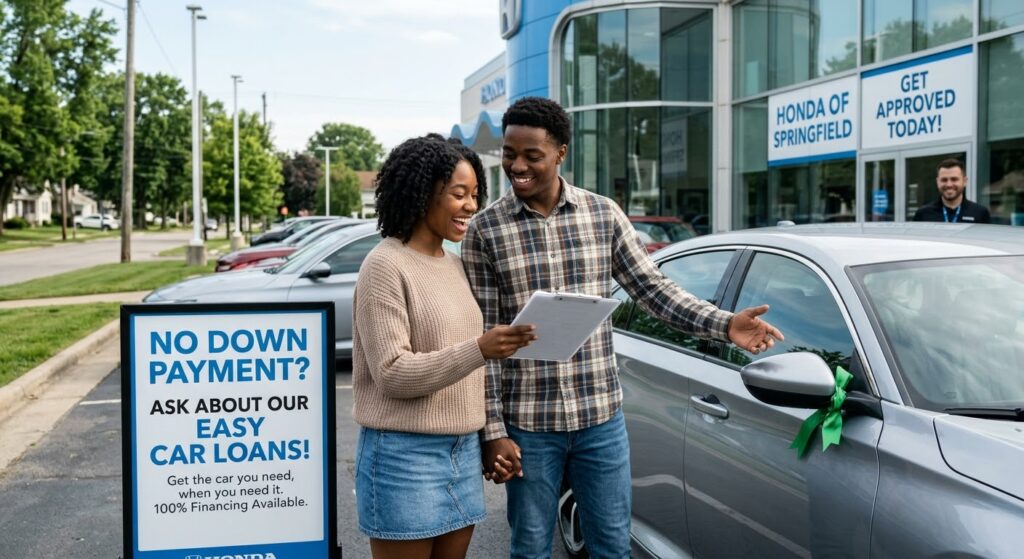
What Exactly Is a Zero-Down Auto Loan?
A zero-down auto loan allows you to finance 100% of the vehicle’s purchase price plus taxes, registration, and fees into your loan principal. In a standard scenario, if you buy a $20,000 car with a 10% down payment, you pay $2,000 upfront, and the lender finances the remaining $18,000. With a zero-down loan, the lender finances the entire $20,000 plus the associated costs.
It is crucial to distinguish between “no down payment” and “no cost.” You will still be responsible for sales tax, title fees, and registration, which are usually rolled into the loan amount unless you pay them out of pocket at signing. Therefore, the actual loan amount might exceed the sticker price of the car by a few hundred dollars.
Who Qualifies for No-Down-Payment Financing?
Lenders view zero-down loans as slightly higher risk because you have no immediate equity in the vehicle. If you default on the loan and the car is repossessed, the lender has less cushion against depreciation. Consequently, qualification depends heavily on several factors:
1. Credit Score
Your credit score is the primary gatekeeper. While specific thresholds vary by lender, borrowers typically need a good to excellent credit score (usually 670 or above) to secure favorable rates. Borrowers with fair credit (580–669) may still qualify but will likely face higher interest rates. Those with poor credit might find it difficult to get approved without a down payment, or they may be forced into subprime loans with exorbitant rates.
2. Debt-to-Income Ratio (DTI)
Lenders look at your DTI to ensure you can handle the new monthly payment alongside existing debts. A lower DTI indicates that you have sufficient income to cover the new loan. Even with perfect credit, a high DTI can disqualify you from a zero-down offer.
3. Employment History
Stable employment history reassures lenders that you have a consistent stream of income to service the loan. Lenders typically prefer to see at least two years of steady employment in the same field or industry.
4. Loan-to-Value Ratio (LTV)
Since you aren’t putting money down, your LTV is 100% or higher (if fees are included). Lenders prefer an LTV below 100%. To mitigate this risk, they may require a shorter loan term or a higher interest rate compared to loans with a down payment.
The Advantages of Going Zero-Down
There are distinct benefits to choosing a no-down-payment option, particularly for those who value liquidity over immediate equity.
Preserving Cash Reserves
The most significant advantage is liquidity. By keeping your cash intact, you maintain an emergency fund for unexpected expenses like medical bills, home repairs, or job loss. This is especially beneficial for freelancers or those with variable incomes who prefer a larger safety net.
Lower Monthly Payments (Initially)
While the total interest paid might be higher due to a larger principal, the absence of a large upfront lump sum can make the initial transition smoother. For budget-conscious buyers, avoiding a $3,000 or $5,000 hit to their bank account can prevent dipping into savings or disrupting other financial goals.
Immediate Vehicle Access
If you need a car now—for a new job starting next week or a sudden change in living situation—you don’t have to wait months to save up a down payment. You can drive off the lot immediately, provided you meet the credit criteria.
Investment Opportunity Cost
If you have the discipline to invest the cash you would have used for a down payment, you might earn a return on that investment that exceeds the interest rate on your auto loan. For example, if your car loan is at 6% APR but your investment portfolio yields 8%, mathematically, it makes sense to keep the cash invested and finance the car.
The Hidden Costs and Risks
Despite the appeal, zero-down loans come with significant financial trade-offs that buyers often overlook.
Higher Monthly Payments
Because you are financing the full price plus taxes and fees, your monthly payment will be higher than if you had put money down. This increases your monthly financial burden and reduces your disposable income.
Increased Total Interest Cost
A larger principal balance means more interest accrues over the life of the loan. Even if the interest rate is the same, paying interest on a larger amount results in a significantly higher total cost. For instance, financing $25,000 instead of $20,000 could mean paying thousands of dollars extra in interest over a five-year term.
Negative Equity (Being “Underwater”)
Cars depreciate rapidly, losing about 20-30% of their value in the first year. With no down payment, you start with zero equity. Within months, the car’s market value may drop below your outstanding loan balance. This is known being “underwater” or “upside down.” If you need to sell the car or if you default, you will owe the lender more than the car is worth.
Longer Loan Terms
To keep monthly payments manageable despite the higher principal, lenders often push borrowers toward longer loan terms (72, 84, or even 96 months). While this lowers the monthly bill, it extends the time you are paying interest and increases the likelihood of the car becoming underwater for a longer period.
Higher Interest Rates
As mentioned earlier, lenders charge a premium for zero-down loans due to the increased risk. You might find yourself paying 1-2% more in APR compared to a loan with a 10-20% down payment. Over the life of the loan, this difference adds up substantially.
Strategies to Make Zero-Down Financing Work
If you decide that a no-down-payment loan is right for you, follow these strategies to minimize risk and maximize value.
1. Shop Around Aggressively
Don’t settle for the dealer’s recommended lender. Check with credit unions, banks, and online lenders. Credit unions, in particular, often offer lower interest rates and more flexible terms for members. Use online calculators to compare quotes from multiple sources.
2. Opt for a Shorter Loan Term
If possible, choose a 36-month or 48-month loan instead of a 72-month or 84-month loan. Although the monthly payment will be higher, you will pay significantly less in total interest and build equity faster. This helps combat negative equity quickly.
3. Choose a Reliable, Depreciation-Resistant Vehicle
Avoid luxury cars or models known for rapid depreciation. Stick to vehicles that hold their value well, such as certain Toyota, Honda, or Ford models. A car that retains its value reduces the risk of being underwater. Additionally, buying a certified pre-owned (CPO) vehicle can be a smart move, as the steepest part of the depreciation curve has already passed.
4. Consider Gap Insurance
Gap insurance covers the difference between what you owe on the loan and the car’s actual cash value if the car is totaled or stolen. Since you are likely to be underwater in the early years, gap insurance provides peace of mind and protects you from owing a large sum after an accident.
5. Make Extra Payments When Possible
If you receive a bonus, tax refund, or side income, consider making extra payments toward the principal. This reduces the total interest paid and helps you build equity faster, potentially getting you out of the negative equity zone sooner.
6. Maintain a Healthy Budget
Ensure that the new car payment fits comfortably within your monthly budget. A general rule of thumb is that your total transportation costs (payment, insurance, fuel, maintenance) should not exceed 15-20% of your take-home pay. Overextending yourself with a zero-down loan can lead to financial stress if unexpected expenses arise.
Alternatives to Zero-Down Loans
If you don’t quite qualify for a zero-down loan or want to avoid the risks, consider these alternatives:
Lease Instead of Buy
Leasing often requires little to no down payment. You pay only for the vehicle’s depreciation during the lease term, not the entire value. This keeps monthly payments lower and avoids the long-term commitment of ownership. However, you won’t own the car at the end, and there are mileage limits and wear-and-tear fees.
Save for a Larger Down Payment
Even saving for a modest 10% down payment can significantly improve your loan terms. It lowers your monthly payment, reduces total interest, and gives you immediate equity, reducing the risk of negative equity.
Buy a Cheaper Car
Instead of stretching your budget to afford a new or newer model with zero down, consider a cheaper, older vehicle. The lower price point means lower payments, less depreciation risk, and easier qualification.
Conclusion
A car loan with no down payment is a powerful financial tool when used strategically. It offers flexibility, preserves liquidity, and provides immediate access to transportation. However, it is not free money; it comes with higher monthly payments, increased total interest costs, and the risk of negative equity.
Success with zero-down financing hinges on your creditworthiness, your choice of vehicle, and your ability to manage the loan responsibly. By shopping around, opting for shorter terms, and maintaining a realistic budget, you can navigate the road ahead with confidence. Remember, the goal is not just to drive a car today, but to own it freely tomorrow. Evaluate your current financial health, weigh the pros and cons carefully, and choose the path that aligns best with your long-term financial goals.
Disclaimer: This article is for informational purposes only and does not constitute financial, legal, or investment advice. Interest rates, loan terms, and eligibility criteria vary by lender, location, and individual credit profiles. Always read the fine print of any loan agreement, understand all fees and charges, and consult with a qualified financial advisor or lender before making significant financial decisions. Market conditions and lending policies are subject to change without notice.